Thursday, March 23, 2023

Dubai's economy part 2

 Dubai's economy

  1. Dubai's real estate sector is one of the most vibrant and dynamic in the world. The city has experienced tremendous growth in the real estate sector over the past few decades, thanks to its strategic location, favorable business environment, and proactive government policies.

    Here are some key facts and information about Dubai's real estate sector:

    1. Market Overview: Dubai's real estate sector comprises residential, commercial, and retail properties. The market is primarily driven by demand from investors, expats, and tourists.

    2. Property Prices: Dubai's property prices have been relatively stable over the past few years, with some fluctuations in certain segments. However, compared to other global cities, Dubai's property prices are still relatively affordable, especially when it comes to luxury properties.

    3. Rental Yields: Rental yields in Dubai are generally higher than in many other global cities. This makes the city an attractive destination for investors seeking to generate passive income from their real estate investments.

    4. Government Policies: The Dubai government has implemented a number of policies aimed at promoting the growth of the real estate sector. These include freehold ownership for foreigners, tax exemptions, and streamlined regulatory processes.

    5. Developer Activity: There are many local and international developers active in Dubai's real estate sector. Some of the major players include Emaar, Dubai Properties, Nakheel, and Damac Properties.

    6. Major Projects: Dubai is home to many iconic real estate projects, including the Burj Khalifa, the world's tallest building, and the Palm Jumeirah, the world's largest man-made island. The city is also home to many other ambitious real estate projects, such as the Dubai Creek Harbour, Dubai Hills Estate, and Dubai South.

    7. Future Outlook: Dubai's real estate sector is expected to continue to grow over the coming years, driven by strong demand and government policies aimed at promoting investment and development.


Here are some key numbers and statistics related to Dubai's real estate sector:

  1. Total Real Estate Transactions in 2021 (January to October): 45,986

  2. Total Real Estate Value of Transactions in 2021 (January to October): AED 181.5 billion ($49.4 billion USD)

  3. Top Nationalities of Real Estate Buyers in Dubai (2020): Indians (13,749), Pakistanis (6,120), Egyptians (4,686), British (4,136), and Jordanians (3,824)

  4. Total Number of Residential Properties in Dubai (2020): 1.6 million

  5. Average Residential Property Prices in Dubai (2021 Q3): AED 1.2 million ($326,700 USD)

  6. Average Rental Yield for Dubai Residential Properties (2021 Q3): 5.5%

  7. Total Number of Completed Real Estate Projects in Dubai (2020): 5,011

  8. Total Number of Off-Plan Real Estate Projects in Dubai (2020): 670

  9. Top Real Estate Developers in Dubai: Emaar Properties, Dubai Properties, Nakheel, Damac Properties, and Meraas

  10. Most Expensive Real Estate Sale in Dubai (2021): AED 111.25 million ($30.3 million USD) for a luxury apartment in the One Palm development on Palm Jumeirah

These numbers indicate that Dubai's real estate sector is a significant and growing market, with strong demand from both local and international buyers. Despite some fluctuations in prices and transactions, the overall trend is positive, and the sector is expected to continue to grow in the coming years.

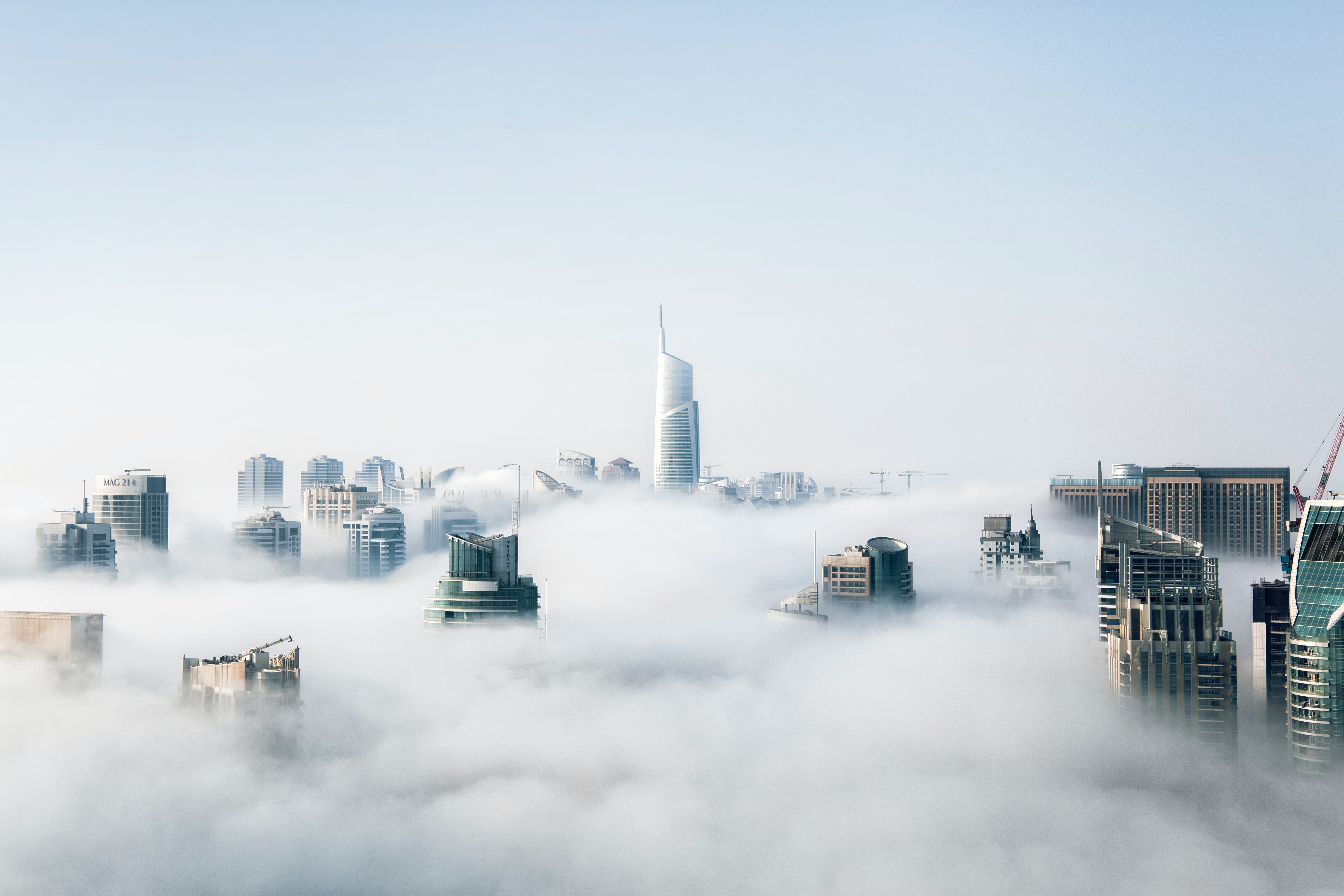
Overall, Dubai's real estate sector is a dynamic and exciting market, offering a range of investment opportunities for both local and international investors.

Thursday, March 16, 2023

Dubai's economy part 1

 Dubai's economy

Dubai is a city in the United Arab Emirates (UAE) that has experienced rapid economic growth and development over the past few decades. The city's economy is primarily driven by tourism, trade, and finance. Here is a brief overview of Dubai's economy:

  1. Trade: Location: Dubai's strategic location at the crossroads of Europe, Asia, and Africa has made it a gateway to the Middle East and a hub for international trade. The city is situated on the eastern coast of the Arabian Peninsula, overlooking the Arabian Gulf. Port: Dubai has a world-class port, Jebel Ali Port, which is one of the busiest ports in the world. The port has 67 berths and can accommodate the largest container vessels in operation. It is a hub for trade between Asia, Europe, and Africa, and handles a wide range of cargo, including containerized cargo, bulk cargo, and vehicles. Free Zones: Dubai has several free zones that offer incentives to businesses, including tax exemptions, 100% foreign ownership, and streamlined customs procedures. These free zones specialize in different sectors, such as technology, healthcare, and logistics, and attract businesses from around the world. Import and Export: Dubai is a major importer and exporter of goods, with a diverse range of products traded, including oil and gas, gold, diamonds, textiles, and electronics. The city's imports are primarily from China, the United States, India, and Germany, while its exports go to countries such as India, Saudi Arabia, and Iran. Trade Shows and Exhibitions: Dubai hosts several trade shows and exhibitions throughout the year, including the Dubai Airshow, the Dubai International Boat Show, and the Dubai World Trade Centre. These events attract businesses and visitors from around the world and provide opportunities for networking and showcasing products and services.


Overall, Dubai's trade sector is a vital part of its economy, supporting growth and development in other sectors such as tourism, finance, and real estate. The city's focus on innovation and investment in infrastructure has made it an attractive destination for businesses looking to expand their operations in the Middle East and beyond.

Dubai is one of the leading financial centers in the Middle East and has a well-developed finance sector. Here are some key facts about Dubai's finance sector:

  1. Dubai International Financial Centre (DIFC): The DIFC is a financial free zone that was established in 2004 to attract financial institutions from around the world. The DIFC has its own legal and regulatory framework and offers tax exemptions, 100% foreign ownership, and easy access to the region's markets. The DIFC is home to over 2,000 companies, including banks, insurance companies, and asset managers.

  2. Stock Exchange: Dubai has two stock exchanges, the Dubai Financial Market (DFM) and Nasdaq Dubai. The DFM is the first and oldest stock exchange in the UAE and lists over 60 companies, including some of the largest companies in the region. Nasdaq Dubai is an international stock exchange that focuses on trading in equities, bonds, and derivatives.

  3. Stock Exchange: Dubai has two stock exchanges, the Dubai Financial Market (DFM) and Nasdaq Dubai. The DFM is the first and oldest stock exchange in the UAE and lists over 60 companies, including some of the largest companies in the region. Nasdaq Dubai is an international stock exchange that focuses on trading in equities, bonds, and derivatives.

  4. Islamic Finance: Dubai is a leading center for Islamic finance, which is a type of finance that complies with Islamic principles and law. Dubai has several Islamic banks and financial institutions, and the DIFC has its own Islamic finance framework, known as the Dubai Islamic Economy Development Centre.

  5. Fintech: Dubai has a growing fintech sector, with several startups and companies operating in the city. The DIFC has launched a fintech accelerator program, known as Fintech Hive, to support the growth of fintech in the region. The UAE government has also launched several initiatives to promote the adoption of fintech, including a regulatory sandbox that allows fintech startups to test their products and services in a controlled environment.


Overall, Dubai's finance sector is a vital part of its economy, supporting growth and development in other sectors such as trade, tourism, and real estate. The city's focus on innovation and investment in infrastructure has made it an attractive destination for financial institutions and fintech startups looking to expand their operations in the Middle East and beyond.

Thursday, March 9, 2023

Dubai's tourism

 Dubai's tourism


Dubai is a city that has emerged as a major tourist destination in recent years. Known for its opulence, grandeur and modernity, Dubai offers visitors a unique and diverse experience that is sure to captivate them. From its towering skyscrapers to its sprawling malls, from its sandy beaches to its desert safaris, Dubai has something for everyone. In this blog post, we will explore Dubai's tourism industry and everything it has to offer.

History of Dubai Tourism

Dubai's tourism industry began to develop in the 1980s and has since grown exponentially. The government of Dubai recognized the potential of tourism early on and invested heavily in infrastructure and development projects to attract visitors. Dubai's transformation from a small fishing village to a bustling metropolis is largely attributed to its tourism industry, which has been a major driver of economic growth.

Tourism Statistics

Dubai has become one of the most popular tourist destinations in the world, attracting millions of visitors every year. In 2019, Dubai welcomed 16.7 million visitors, making it the fourth most visited city in the world after Bangkok, Paris, and London. The city aims to attract 20 million visitors by 2020, which was disrupted due to the COVID-19 pandemic. However, Dubai continues to work towards achieving its goals and is constantly expanding its tourism offerings.

Attractions in Dubai

Dubai is home to a plethora of attractions, catering to different interests and age groups. The city is known for its iconic landmarks and modern architecture, such as the Burj Khalifa, the tallest building in the world, and the Burj Al Arab, the world's only seven-star hotel. Visitors can take in the stunning views of the city from these iconic structures or enjoy a luxurious stay at one of the many high-end hotels.


Dubai is also famous for its shopping malls, which are among the largest and most extravagant in the world. The Dubai Mall, for instance, boasts over 1,200 stores, an indoor aquarium, an ice rink, and a movie theatre. Visitors can also explore the traditional markets or souks, such as the Gold Souk and Spice Souk, for a glimpse into the city's heritage.

For those seeking adventure, Dubai has plenty to offer. Visitors can experience the thrill of a desert safari, where they can ride a camel, go sandboarding or dune bashing, and enjoy traditional Arabic entertainment. Dubai also has a range of water parks and theme parks, such as the Aquaventure Waterpark and IMG Worlds of Adventure, which are sure to delight both children and adults alike.


Dubai's Culture and Heritage

Dubai is also rich in culture and heritage. Visitors can explore the city's historical sites such as the Dubai Museum, which is located in the Al Fahidi Fort and provides insights into the city's past. The Jumeirah Mosque, one of the few mosques in Dubai that is open to non-Muslim visitors, is also worth a visit. It is a stunning example of Islamic architecture and offers a unique opportunity to learn about the Islamic faith and culture.

Dubai's food scene is also a major draw for visitors. The city offers a diverse range of culinary experiences, from traditional Emirati cuisine to international cuisine served in Michelin-starred restaurants. The Al Fahidi Historical Neighborhood is a great place to experience traditional Emirati food and culture, with its array of cafes and restaurants serving local delicacies.

Thanks for reading. Leave a comment. Stay tuned for more interesting facts and wonders of Dubai.

Thursday, February 23, 2023

Dubai's royalties part 2

 Royalties


Deputy Ruler Sheikh Hamdan bin Rashid Al Maktoum

Sheikh Hamdan bin Rashid Al Maktoum is the current Deputy Ruler of Dubai and the Minister of Finance and Industry of the United Arab Emirates. He is the third son of the late Ruler of Dubai, Sheikh Rashid bin Saeed Al Maktoum. Sheikh Hamdan is also the Chairman of the Dubai Executive Council, which is responsible for the day-to-day running of the emirate. He is also the Chairman of the Investment Corporation of Dubai, which is one of the largest investment companies in the Middle East. Sheikh Hamdan is a prominent philanthropist and is involved in a wide variety of charitable activities. He is also a keen sportsman, and is a member of the International Olympic Committee.

Thursday, February 16, 2023

Dubai's royalties part 1

Royalties


Late Sheikh Rashid bin Saeed Al Maktoum

Sheikh Rashid bin Saeed Al Maktoum was the ruler of Dubai from 1958 to 1990. He was the fourth son of Sheikh Saeed bin Maktoum Al Maktoum and was born in 1912. He was the driving force behind Dubai's transformation from a small fishing village to a modern and prosperous city-state. Under his rule, he established the first airport, the first hospital, and the first university in Dubai. He also built the world's tallest building, the Burj Khalifa, and the Dubai Creek. He was known as a visionary leader and was a great advocate of education, economic diversification, and social development. He died in 1990 but his legacy continues to live on in the city of Dubai.

Dubai's export and import

  Dubai's export and import Dubai, the vibrant and cosmopolitan city in the United Arab Emirates, is known for its bustling trade and co...